What is Cholesterol?
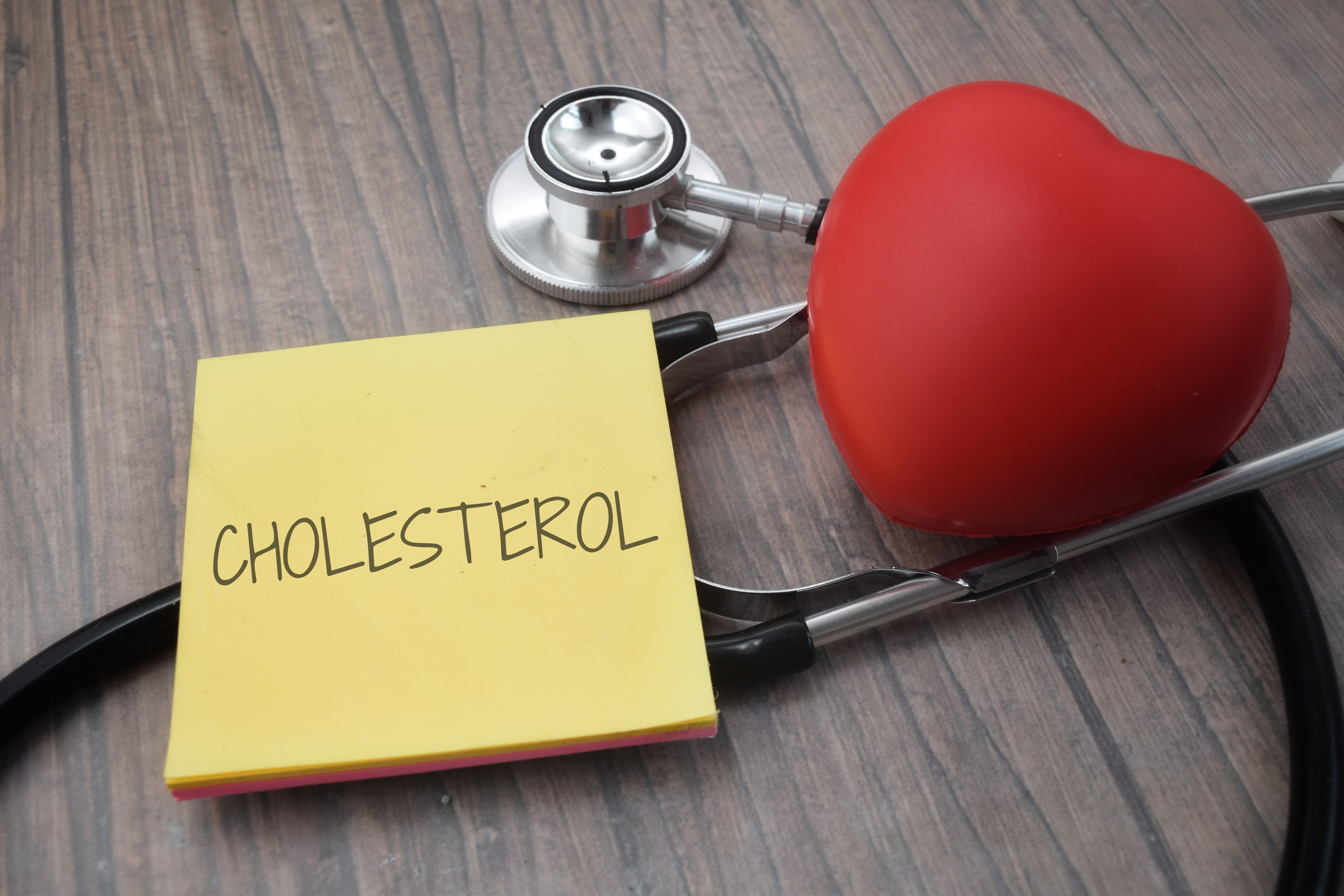
Cholesterol is a waxy, fat-like substance found in your blood. Your body needs some cholesterol to build cells and make hormones. However, too much cholesterol can cause health problems. For many people, cholesterol and heart health are closely linked. High cholesterol can increase your risk of heart disease.
Types of Cholesterol
There are two main types of cholesterol. Each type affects your heart health differently. Knowing the difference helps you understand your risks.
How Cholesterol Affects Heart Health
When you have too much LDL cholesterol, it can stick to your artery walls. Over time, this buildup forms plaque. As a result, your arteries become narrow and hard. This makes it harder for blood to flow to your heart. Eventually, this can lead to chest pain, heart attack, or stroke. On the other hand, HDL cholesterol helps keep your arteries clear.
Symptoms and Risks of High Cholesterol
High cholesterol usually has no symptoms. Many people do not know they have it until they have a blood test. However, high cholesterol increases your risk of:
Because there are no clear signs, regular check-ups are important. Early detection can help prevent serious problems.
Diagnosis and Monitoring
Your doctor can check your cholesterol with a simple blood test. This test is called a lipid panel. It measures your LDL, HDL, and triglycerides. The CDC recommends adults check their cholesterol every 4 to 6 years. If you have risk factors, you may need tests more often. After your test, your doctor will explain your results and what they mean for your heart health.
Treatment Options
If your cholesterol is high, your doctor may suggest:
Sometimes, lifestyle changes alone are enough. In other cases, medicine is necessary to reach healthy cholesterol levels.
Lifestyle Tips for Healthy Cholesterol
There are many ways to lower cholesterol naturally. For example, you can:
Additionally, managing stress can help your heart. Even small changes can make a big difference over time.
Prevention Strategies
Preventing high cholesterol starts with healthy habits. Here are some cholesterol prevention tips:
In many cities, local health programs offer free screenings and heart health education. Take advantage of these resources if they are available in your area.
In summary, understanding cholesterol and heart health can help you make better lifestyle choices. Regular monitoring and healthy habits can lower your risk of complications. For personalized cholesterol management and heart health advice, consult Dr. Priyanka Negandhi.